What Is Coriander?
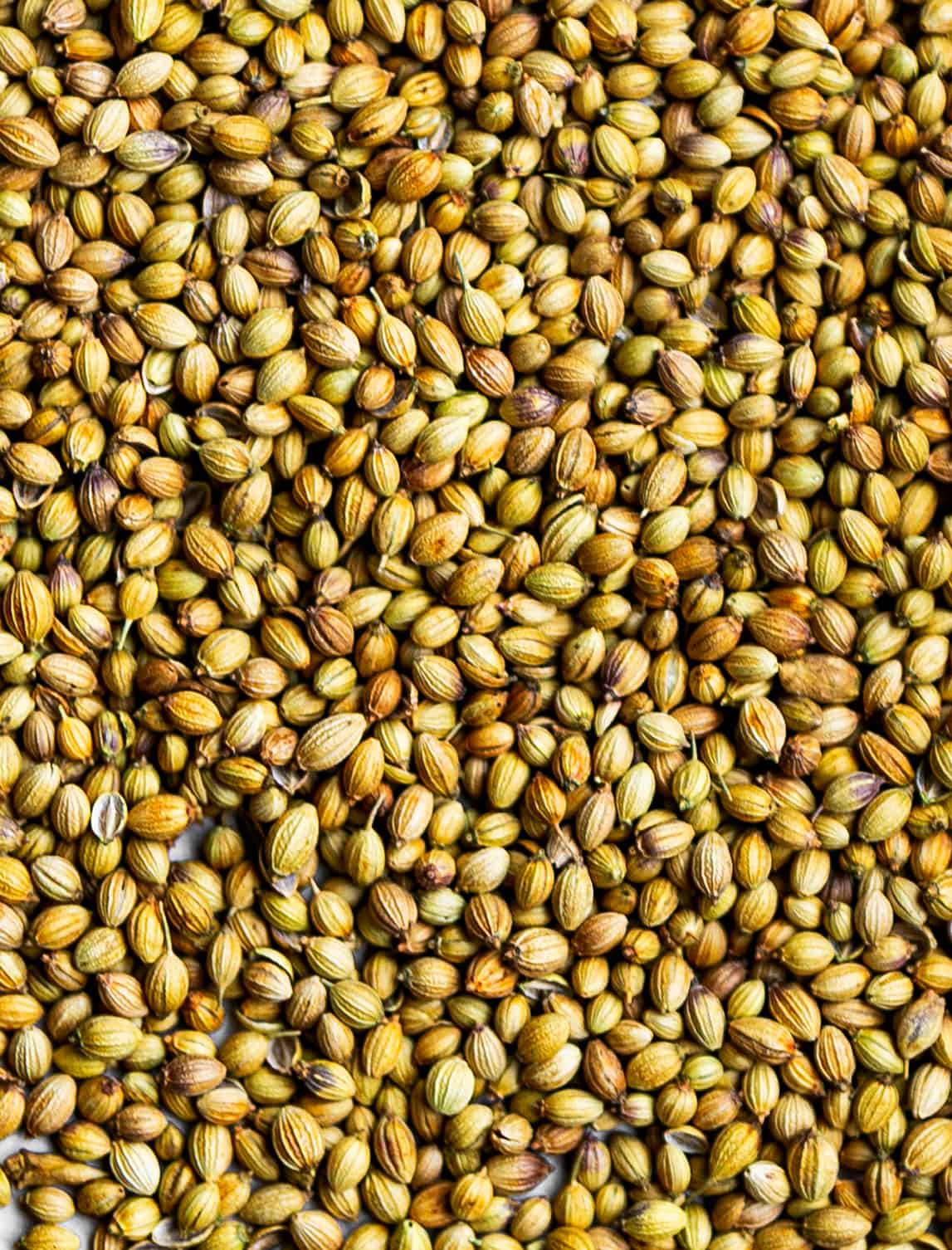
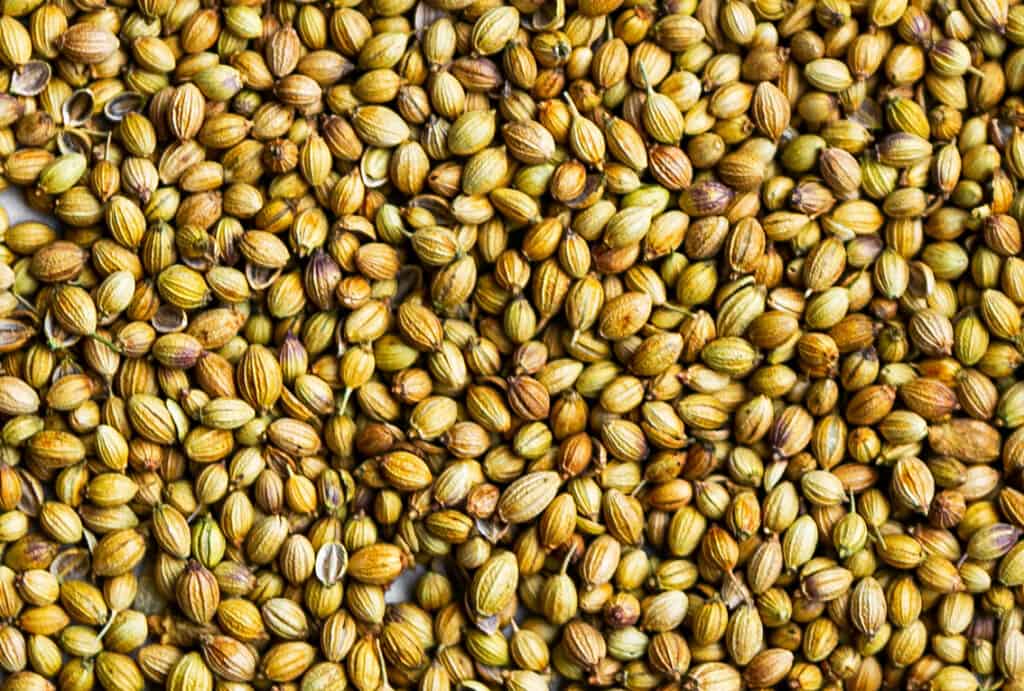
Coriander is a spice and herb derived from the plant known as Coriandrum sativum, a member of the parsley family. The entire plant is utilised for its leaves, stems, seeds and roots. A pink-tinged or white flower develops on the plant which eventually turns into the fruits of the spice, producing small tan-coloured seeds known as coriander seeds. The stalks of the plant are cut before the seeds are fully ripe. The seeds are then removed, cleaned and dried.
Coriander Seed uses
A versatile spice with a bittersweet taste reminiscent of dried orange peel. Cultivated in both Europe and India, the European seeds are more citrusy than the larger oval seeds of Indian type. They are used during cooking to flavour meat, fish and vegetable dishes as well as being used to enhance salads, pickles, preserves and alcohol.

What is Coriander Leaf used for?
Fresh coriander leaves, (also known as cilantro or Chinese parsley), are widely used throughout the world as a garnish on many international and modern fusion dishes. They are also a key ingredient in chutneys and salads, salsa and guacamole, offering a distinctive herbal and floral taste.
Heat diminishes the flavour compound of the leaves so they are specifically used as a raw ingredient and not within the cooking process.

What is Coriander Root used for?
Coriander roots are used in a variety of Asian and Thai cuisines. They have a deeper, more intense flavour than the leaves and are especially useful as an ingredient within freshly made curry pastes, or slow-cooked soups and stews.

History of Coriander – where did coriander originate from?
Native to the Mediterranean and Southern Europe, evidence of its history can be traced back to Isreal and the Egyptian tombs. Greeks and Romans used it as medicine and meat preservative. Around 2000 years ago the spice travelled to India and Persia and centuries later to China and Anglo-Saxon Britain where it is now mainly used to distil gin and beer. The movement of early European settlers helped transport the spice to North America and many other countries.
What do coriander seeds taste like?
Floral, citrus and bittersweet. While it is often used on its own in pickle juices, brines, alcohol distils and garnishes, its orange-lemon citrus profile makes it the perfect spice to pair with others such as earthy woody cumin or as an element within other spice blends. Cumin and coriander create a strong pairing that can be added to enhance many international dishes.

Cooking with coriander seeds
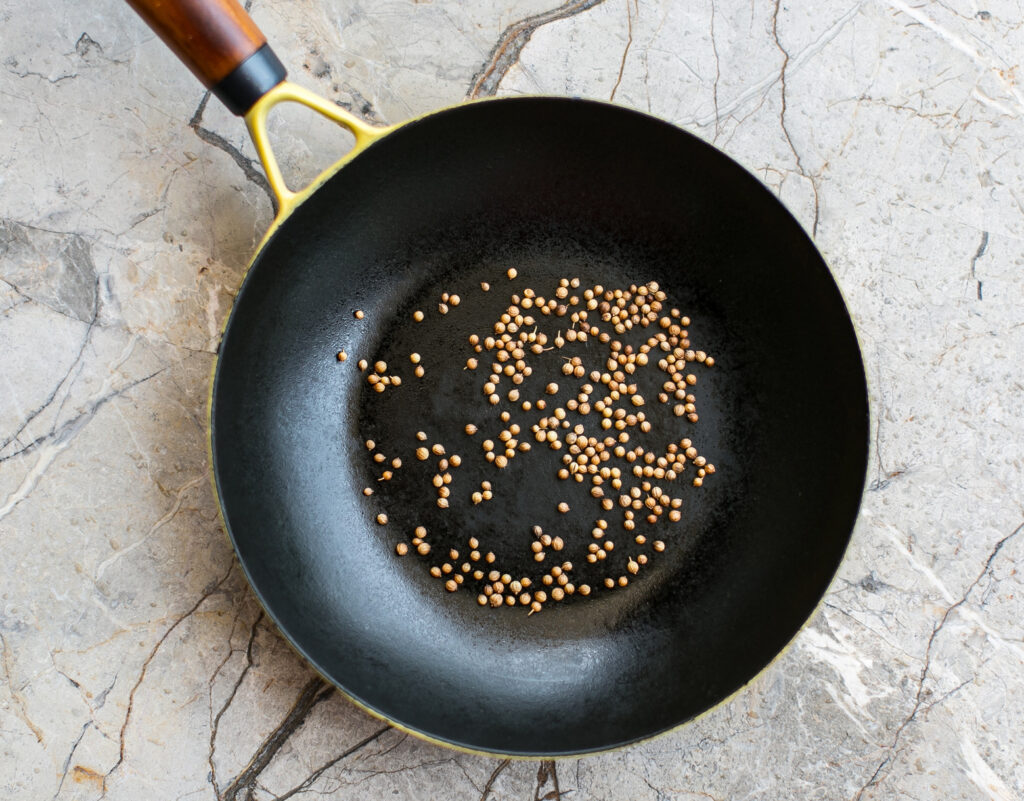
The other option is to gently dry-roast them in a frying pan and grind them down into a powder using a mortar & pestle or electric spice blender. Ground coriander will release its flavour much faster than the seeds, however, its shelf life is limited, losing its aroma and flavour more quickly. For this reason, it’s best to make small batches if planning to keep it jarred and shelved.
Do coriander seeds soften when cooked?
Yes, but it requires a little bit of time. Whole coriander seeds should be added at the beginning of cooking so they have time to soften and release their essence. For example, by adding them at the beginning of making a curry or stew, they will break down as the sauce slowly simmers away.
If you are making a dish with a shorter cooking time, such as some smokey beans or a quick Mexican chilli con Carne and don’t want to taste the crunch of the seeds, dry roast them first and grind them down into a powder. That way the cumin will be instantly absorbed into the sauce.
Toasting coriander seeds
How to toast coriander seeds


What other spice goes with Coriander?
Spices that pair perfectly include: cumin, cardamom, cloves, mustard seeds, nutmeg, black pepper, anise, allspice ginger, lemongrass, caraway, turmeric, cinnamon, fennel, bay leaf, cayenne pepper, paprika and chilli
Herbs that pair with Coriander
Oregano, marjoram, parsley, basil, mint and fresh coriander leaves.
Coriander Seeds substitute
Cumin Seeds – Cumin with its woody earthy taste lacks the citrus element of coriander seeds, however combining it with some finely grated orange rind will provide a fairly good substitute.
Fresh coriander leaves can be added towards the end of cooking or used as a garnish as a substitute for coriander seeds.
Caraway seeds are in the same family as coriander and will give a similar taste. Only a small amount is required as a substitute as caraway’s strong taste and smell can overpower a dish very quickly.

Coriander Recipes on Flaevor
Baharat
This famous Middle Eastern spice blend made with black pepper, cardamom, cloves, cumin, nutmeg, coriander and paprika is used in a huge variety of traditional recipes or modern fusion dishes. Recipe here:

Harissa
Harissa powder, also known as harissa seasoning is the dry version of the North African hot aromatic paste. It is made by combining red chillies, cumin, coriander, caraway, garlic, smoked paprika and salt. Recipe here:

Spiced Ricotta Honey Toast
Whole coriander seeds are dry roasted along with cumin and fennel and crushed down with a touch of chilli. The spice mix is then sprinkled over creamy ricotta toast drizzled with honey. The result is a truly enjoyable and decant sweet, savoy and slightly spicey eating experience. Recipe here:

Spiced Pumpkin with Coriander Sauce
Doubling up on the coriander here using both the seeds and fresh leaves as garnish. This hearty pumpkin recipe combines soy-cinnamon-maple syrup, fresh lime and coriander salsa layered on refreshing cold yoghurt. A garnish of toasted almond flakes and fresh coriander leaves. Recipe here:

Chickpea Spinach Curry with Fried Eggs
The inspiration for this dish comes from Chana Saag, a classic vegetarian Indian curry made with chickpeas, spinach, onion, tomato, ginger, garlic, and warm spices. Paired with fried eggs and cooling coriander yoghurt, serve it as a weekend breakfast or brunch. Recipe here:

Beef Gochujang Stew
A spice mix of coriander, Sichuan pepper, ginger and Korean gochujang chilli paste creates a wonderful multi-layered base in this warming comforting beef stew. Slow-cooked to perfection resulting in a rich juicy meat sauce with a spicy kick: Recipe here:

One-Pot Roasted Chicken Lemongrass Curry
Roasted chicken in a thick curry sauce created with an effortless one-pot cooking method. The base flavour of the sauce is rich with fresh flavours of coriander, lemongrass and lime leaves. Made even more palatable with the addition of cooling coconut milk and garnished with fresh coriander and mint leaves. Recipe here:

BBQ Spice Rubbed Salmon
Whole salmon fillet is rubbed in smoked paprika, cumin, coriander, fennel, chilli powder and sumac then smoked on a coal-fired BBQ. Served with a delicious fresh summery charred green feta sauce full of coriander, mint and lime juice. A beautifully refreshing flavour combination. Recipe here:

Where to buy: Purchase online or at your local spice store
Leave a Reply